Home / Treatments / How Can We Help

PATIENT QUESTIONS

How can 

we help?

Expert care to transform your smile. The dentist's dentist will see you now.

Your questions, 
answered.

If you have rapidly increasing swelling, difficulty breathing or swallowing, uncontrolled bleeding, or a serious facial injury, seek urgent medical help. For urgent dental problems, contact your own dentist or NHS 111.

HOW CAN WE HELP?

Missing teeth, dentures and failing teeth

I have lost one tooth. What are my options?
A missing tooth can often be replaced with an implant crown, a conventional bridge or, in some situations, a removable partial denture. The best choice depends on the neighbouring teeth, the available bone, your gum health, your bite and what matters most to you. A careful assessment lets us compare the options rather than assuming an implant is automatically right. Dental Implants
I am missing several teeth. Do I need an implant for every tooth?
Not usually. Several missing teeth may be replaced by an implant-supported bridge using fewer implants than the number of teeth being replaced. Other possibilities include a tooth-supported bridge or a removable denture. We plan the whole mouth so the result is stable, cleansable and appropriate for the long term. Dental Implants
My denture moves when I eat or speak. Can it be made more secure?
Yes. The first step is to find out why it moves: the fit, bite, tooth position and amount of supporting bone all matter. A carefully remade denture may help, while some patients benefit from implants that retain or support the denture. We can explain the least invasive and the more secure options. Restoring and Replacing Teeth
Can I have fixed teeth instead of a removable denture?
Possibly. Depending on the number and condition of your remaining teeth, gum health and available bone, fixed options may include bridges or implant-supported teeth. Some people are better served by a well-designed removable solution. Assessment and 3D imaging, where indicated, allow us to advise what is realistic. Dental Implants
I have been told I do not have enough bone for implants. Is anything still possible?
A previous lack-of-bone opinion does not always rule implants out. Bone grafting, sinus augmentation, a different implant position or a non-implant solution may be considered. These procedures are not suitable for everyone, so the benefits, added treatment time and risks need to be discussed after examination and imaging. Dental Implants
Most of my teeth are failing. Can you rebuild my whole mouth?
Complex cases can often be planned as a full-mouth rehabilitation. Treatment may combine saving suitable teeth, gum or root canal care, crowns, bridges, dentures and implants. The aim is not simply to replace everything, but to create a phased plan that restores health, comfort, function and appearance while keeping good teeth where appropriate. Restoring and Removing Teeth
HOW CAN WE HELP?

Broken, worn or heavily restored teeth

My tooth has broken. Can it be saved?
Often it can, but this depends on where the fracture lies, how much sound tooth remains and whether the nerve or root is affected. Options may include bonding, an onlay or crown, root canal treatment, or extraction followed by replacement. An examination and X-rays are needed before making a reliable recommendation. Restoring and Replacing Teeth
My teeth are worn down or getting shorter. What can be done?
Tooth wear can be caused by grinding, an acidic diet, reflux or a combination of factors. We first identify and control the cause, then assess your bite and the amount of tooth tissue remaining. Treatment can range from monitoring and protective advice to additive bonding, onlays, crowns or a planned full-mouth rehabilitation. Restoring and Replacing Teeth
My crowns or bridges keep breaking or coming loose. Why?
Repeated failure may be related to decay, limited remaining tooth tissue, the bite, grinding, the design of the restoration or problems with the supporting teeth or gums. A specialist assessment looks beyond the failed crown or bridge so that the cause is addressed before it is remade. Restoring and Replacing Teeth
Can you improve my smile without drilling away healthy teeth?
Often we can take a conservative approach. Whitening, orthodontics and additive composite bonding may improve colour, position and shape with little or no removal of healthy tooth tissue. Veneers or crowns are sometimes appropriate, but only after the alternatives and long-term maintenance have been considered. Cosmetic Dentistry
HOW CAN WE HELP?

Toothache, infection and root canal problems

I have severe toothache. Do I need root canal treatment?
Not every toothache needs root canal treatment. Pain may come from decay, a crack, an inflamed or infected nerve, the gums, the bite or another nearby structure. The diagnosis usually requires an examination, focused tests and an X-ray. If the nerve is irreversibly damaged or infected, root canal treatment may allow the tooth to be retained. Root Canal Treatment
Can a tooth with an abscess be saved?
Many abscessed teeth can be saved with root canal treatment, sometimes followed by a protective restoration. The outlook depends on the cause, the amount of healthy tooth remaining, cracks, bone support and whether previous treatment has already been attempted. Some teeth cannot be predictably restored and are better removed. Root Canal Treatment
My root canal treatment has failed. Can it be redone?
Sometimes. Root canal retreatment may address missed anatomy, leakage or recurrent infection. In selected cases, surgery at the root tip may be considered. We assess the quality of the previous treatment, restorability of the tooth and likely outcome before comparing retreatment, surgery and extraction. Root Canal Treatment
Is modern root canal treatment painful?
Treatment is carried out with local anaesthetic and the aim is for you to be comfortable throughout. A sore feeling for a short time afterwards can occur, particularly when the tooth was painful beforehand. If you are anxious, tell us early so we can discuss extra support and, where suitable, sedation. Root Canal Treatment
HOW CAN WE HELP?

Bleeding gums, loose teeth and gum health

My gums bleed when I brush. Should I be worried?
Bleeding gums are common but should not be ignored. They are often a sign of gum inflammation caused by plaque, although other factors can contribute. Early disease may be reversible; more advanced disease can damage the bone supporting the teeth. An assessment shows how far the problem has progressed and what care is needed. Gum Treatment
My teeth feel loose. Can they be saved?
Loose teeth may be caused by advanced gum disease, infection, trauma or excessive forces from the bite. Some can be stabilised when the cause is treated; others have a poor outlook. Prompt assessment is important because delaying may reduce the choices available. Gum Treatment
My gums are receding and my teeth look longer. Can this be treated?
Gum recession may be associated with gum disease, tooth position, a thin gum type or traumatic brushing. Treatment starts by identifying the cause. Depending on the site and your symptoms, options may include monitoring, changing cleaning technique, managing sensitivity, orthodontics or gum grafting. Gum Treatment
I have persistent bad breath. Could my gums be the cause?
Gum inflammation and periodontal pockets can contribute to persistent bad breath, although the tongue, dry mouth, dental decay and non-dental causes may also be involved. A dental and gum assessment can identify likely causes and guide effective treatment rather than simply masking the problem. Gum Treatment
Do I need my gum disease treated before implants or complex dentistry?
Usually, active gum disease needs to be brought under control first. Healthy, maintainable gums improve comfort and make restorative or implant treatment more predictable. Our clinicians can coordinate gum care with the later stages of your treatment so the plan is properly sequenced. Gum Treatment
HOW CAN WE HELP?

Wisdom teeth extractions and oral surgery

My wisdom tooth keeps becoming painful or infected. Does it need removing?
Not every wisdom tooth needs removal. Repeated infection, decay, damage to the tooth in front, cystic change or other pathology may make removal advisable. We assess the tooth clinically and with appropriate imaging, then explain the benefits and the relevant surgical risks before you decide. Oral Surgery
My dentist says an extraction may be difficult. Can you help?
Yes. Teeth with complex roots, previous treatment, fractures or a close relationship to nearby structures may benefit from surgical expertise and 3D imaging. We can plan the extraction, discuss local anaesthetic or sedation, and coordinate any later tooth replacement with your dentist or our restorative team. Oral Surgery
Can I be sedated for dental surgery?
Sedation may be available for suitable patients and can make treatment feel much more manageable. It does not replace local anaesthetic, and it requires a medical assessment, consent and arrangements for an escort and recovery. We will explain the type of sedation and whether it is appropriate for the planned procedure. Oral Surgery
HOW CAN WE HELP?

Crooked teeth and bite concerns

Can adults have their teeth straightened discreetly?
Yes. Depending on the tooth movements required, options may include clear aligners or less visible braces. An orthodontic assessment is important because the gums, bite and tooth roots must be considered, not just the appearance of the front teeth. Orthodontics
Are clear aligners suitable for every orthodontic problem?
No. Clear aligners are effective for many cases, but some movements are more predictable with fixed appliances or a combined approach. We assess the complexity of the movement, your bite, gum health and how consistently the aligners can be worn before recommending a method. Orthodontics
My teeth have moved after braces. Can they be straightened again?
Often they can. The first step is to understand why they moved and to check the health of the teeth and gums. Mild relapse may be corrected relatively simply; more significant change needs fuller planning. Long-term retainers are normally needed after retreatment. Orthodontics
HOW CAN WE HELP?

Smile, colour and appearance

My teeth are dark or discoloured. What is the safest way to lighten them?
The right approach depends on whether the colour affects one tooth or the whole smile, and whether crowns or fillings are present. Options may include professionally supervised whitening, treatment of an underlying dental problem, bonding or a restoration. We diagnose the cause before recommending cosmetic treatment. Cosmetic Dentistry
Can chipped or uneven front teeth be improved with bonding?
Composite bonding can often reshape chipped, worn or uneven teeth with little or no drilling. Its suitability depends on the bite, the amount of damage and the desired change. We will also explain maintenance, staining and the possibility of future repair or replacement. Cosmetic Dentistry
Do I need veneers, crowns, bonding or orthodontics?
These treatments solve different problems. Orthodontics moves teeth; whitening changes colour; bonding adds tooth-coloured material; veneers cover the front surface; crowns encircle a more heavily damaged tooth. Good planning often combines the least invasive options needed to achieve a stable result. Cosmetic Dentistry
HOW CAN WE HELP?

Snoring, sleep and dental anxiety

Can a dental device help my snoring?
A custom mandibular advancement device can reduce snoring for some people by holding the lower jaw forward during sleep. Because snoring can be associated with obstructive sleep apnoea, screening and, where indicated, medical or sleep assessment should come before simply making an appliance. Sleep Dentistry
Could my snoring be sleep apnoea?
Loud snoring, witnessed pauses in breathing, choking or gasping at night, morning headaches and marked daytime sleepiness can be warning signs. Sleep apnoea requires proper assessment because it can affect general health. We can help with screening and work alongside the appropriate medical or sleep professionals. Sleep Dentistry
I am frightened of dental treatment. Can you still help me?
Yes. Please tell us what worries you and what has happened before. We can plan longer appointments, explain each stage, agree ways for you to pause treatment and consider sedation when appropriate. The aim is to give you control and build confidence rather than rush you. Your Journey
HOW CAN WE HELP?

Getting specialist help

Do I need my dentist to refer me?
Patients can contact us directly, and we also welcome referrals from dentists. If your own dentist is involved, we can coordinate with them and provide the specialist part of your care while they continue to look after your routine dentistry, unless a different arrangement is agreed. Your Journey
What happens at the first appointment?
Your first visit is primarily about understanding the problem, your health, your priorities and the realistic choices. Depending on the case, it may include an examination, photographs, X-rays or scans and discussion of further diagnostic work. Complex plans are not always finalised on the same day. Your Journey
Will you work with my usual dentist?
Yes. Collaborative care is central to a referral practice. With your consent, we can report our findings, agree who will provide each stage and return you to your dentist for continuing care where appropriate. Clear roles help treatment run smoothly and protect the long-term result. Your Journey
How much will treatment cost, and will I receive a written plan?
Fees depend on the diagnosis and complexity. After the necessary assessment and planning, you should receive a written explanation of the recommended treatment, alternatives, likely stages and costs before committing to care. Some investigations may be needed before a definitive plan can be provided. Fees
Patient Reviews

Trusted. Consistently.

By thousands.

Icon_Quote

"Life changing experience. Dr Wilson and the team were exceptional from start to finish.

Sarah M.
Dental Implants

Icons_Stars5
Icon_Quote

"I've never felt so comfortable at a dentist. The implant procedure was completely painless."

James T.
Dental Implants

Icons_Stars5
Icon_Quote

"My new veneers look incredibly natural. They truly restored my confidence to smile."

Emma R.
Veneers

Icons_Stars5
Icon_Quote

"Professional, transparent, and brilliant results with my Invisalign treatment."

David L.
Invisalign

Icons_Stars5
WHY CHOOSE CEAD?

Benefits of choosing CEAD 

10,000+

Proven track record of successful clinical implants

25+

Years treating complex dental cases since 1997

700+

Trusted dental professionals across the UK referral network

5,500+

Patients treated with care and clinical precision

SPECIALIST-LED EXCELLENCE

Led by Dr Neil Wilson — a prosthodontics specialist with 25+ of specialist care.

Whether you have a single missing tooth or require full-arch reconstruction, Dr Wilson and his hand-picked team have the expertise to deliver exceptional, lasting results. We work alongside your existing dentist so you stay in safe hands throughout.
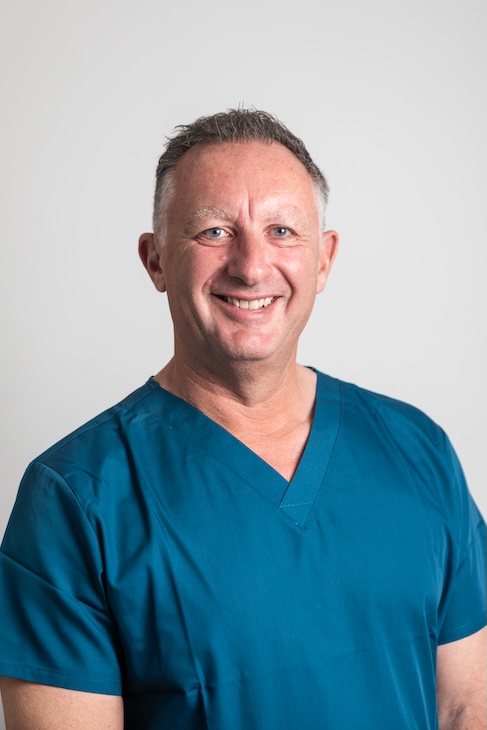
Central England Advanced Dentistry Neil Wilson sm

Dr Neil Wilson
Specialist in Prosthodontics

PhD, BDS, MSc, MFGDP (UK), MFDS RCPS (Glas), MRD RCS (Edin), FDS RCS Ed, FCGDent, Specialist in Prosthodontics GDC no. 67157


Protect Your Smile Today

Whether you're a patient seeking specialist care or a dentist looking to refer, we're here to help.

CEAD_Logo_Inverted

Policy

Icon_Instagram

© 2026 Central England Advanced Dentistry. All rights reserved.